Specialist KNX Design & Integration
KNX Smart Home Specialist in the Isle of Man
Bespoke KNX systems designed, programmed and commissioned for high-end residential and commercial projects
Certified KNX Integrator with 20+ years’ experience in electrical and building control systems.
Based in the Isle of Man | Working with clients locally and further afield
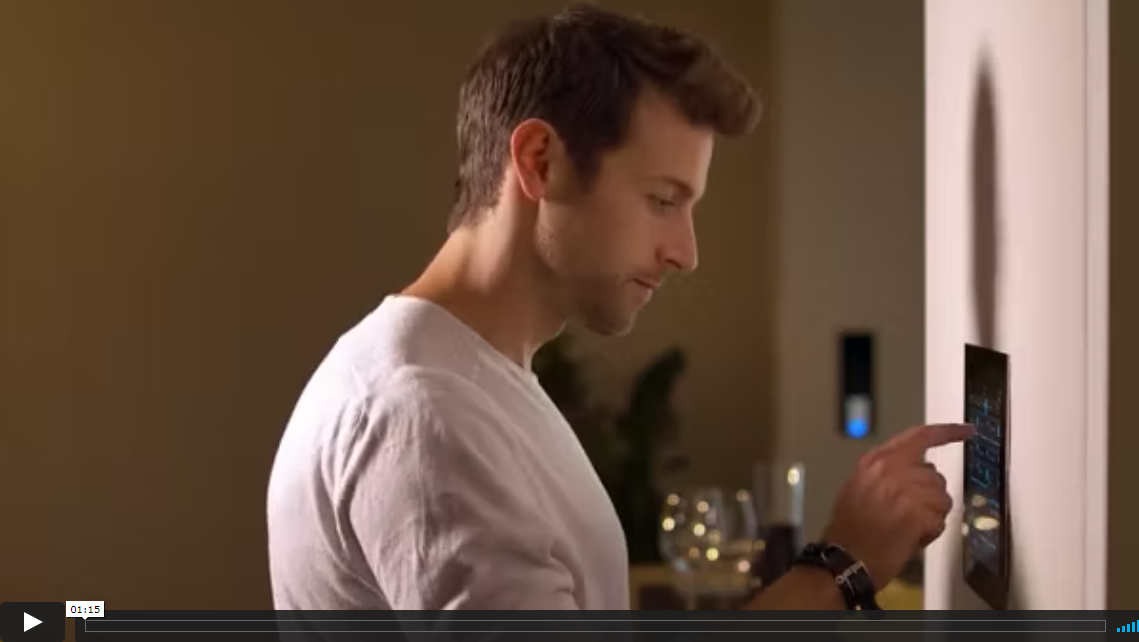
Intelligent Control, Designed Around You
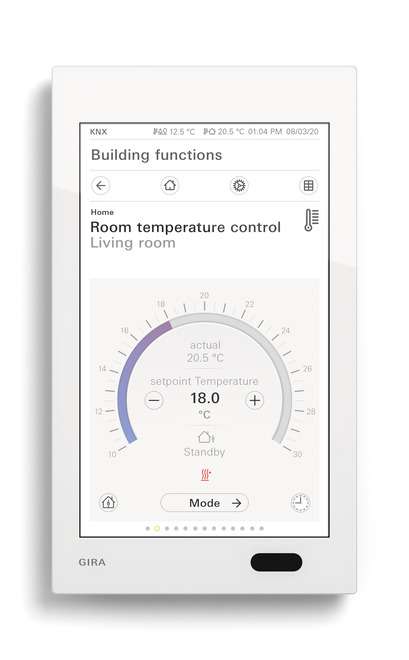
A KNX system gives you complete control over your home’s lighting, heating, shading and energy use — all from a single, integrated platform.
Unlike off-the-shelf smart home systems, KNX is designed specifically for your property, delivering a level of flexibility, reliability and long-term performance that simpler solutions cannot match.
A Proven KNX Specialist You Can Rely On
Bringing experience, recognition and technical expertise to every KNX project

KNX Partner since 2004
Over 20 years experience delivering KNX systems
KNX UK Project Winner
Award-winning installation expertise
BSc (Hons) Technology & Part P Registered
Strong technical and electrical foundation

Trusted by Clients and Industry Professionals
"extensive experience"
"Nigel is an enthusiastic professional engineer and has extensive experience of detailed design, project management and commissioning of KNX technology for various building types. I have worked with Nigel on a number of projects where he has an eye for detail and accuracy and always ensures the project is completed both on time and 100% accuracy. A pleasure to work."
Why Choose KNX Smart Home Technology
A premium smart home system designed for reliability, flexibility and long-term value
Future-Proof Investment
Designed to evolve with your needs, allowing upgrades and expansion without replacing the whole system.
Open Standard
KNX is the world’s leading open standard for intelligent buildings, supported by hundreds of manufacturers worldwide.
Greater Choice
The best products can be selected for each function, rather than being limited to a single brand ecosystem.
Reliable, Secure & Proven
A dependable hardwired system with KNX Secure technology, helping protect communications from unauthorized access while delivering reliable long-term performance.
Fully Integrated
Lighting, heating, shading, security, gates and more can all work together through one intelligent platform.
Trusted Worldwide
Used in private homes, hotels, offices, airports and landmark buildings across the world.
Personal Service, Specialist Expertise
I work closely with homeowners, architects and contractors to design KNX systems that are intuitive, reliable and built around how the property will actually be used.

The 7 Steps To Your Intelligent Home
The first step in every project is to determine what elements of your home are to be controlled by the system. For example details regarding:
- Number and types of lighting circuits.
- Number, types and position of push buttons.
- Type of heating, e.g. underfloor, radiators or both.
- Number of separate heating zones.
- Blinds or shades to be controlled.
- Any other functions.
Once we have enough information we will then submit a detailed quotation broken down into parts and labour.
On acceptance of our quotation, we will produce detailed information relating to the installation of cabling and equipment.
If you have CAD drawings from your architect we can use these to produce installation plans for your system.
Installation of cabling and equipment can be carried out by either by ourselves or by your own electrical contractor.
Documentation will provided to ensure correct installation.
Commissioning of your system is done on site and ensures everything is set up and working as specified.
At the handover stage we show you how to use your intelligent home system and allow you to check that everything has been completed to your satisfaction.
We also supply full documentation giving the necessary details of your installation in case of a need for any future maintenance. This will include a copy of the system programme.
Once commissioned and handed over, it is unlikely that you will encounter any problems with your system, however, maintenance and support can be provided, if required.
It is also worth emphasising that it is possible to allow for the capability to carry out checks and any reprogramming of your system remotely over the internet.
Ideal for New Builds, Renovations & Premium Homes
Whether starting from scratch or upgrading an existing property, KNX delivers a smarter way to live
New Builds
Create a fully integrated smart home from day one, with lighting, heating, shading and future-ready infrastructure built in properly.
Renovations
Modernise your home with intelligent control systems during refurbishment works, adding convenience, efficiency and long-term value.
Luxury Homes
Discreet technology, elegant control and tailored scenes designed to complement premium interiors and exceptional homes.
Ideal for New Builds, Renovations & Premium Homes
Whether starting from scratch or upgrading an existing property, KNX delivers a smarter way to live
New Builds
Create a fully integrated smart home from day one, with lighting, heating, shading and future-ready infrastructure built in properly.
Renovations
Modernise your home with intelligent control systems during refurbishment works, adding convenience, efficiency and long-term value.
Luxury Homes
Discreet technology, elegant control and tailored scenes designed to complement premium interiors and exceptional homes.
Thinking About a KNX System?
Early involvement helps achieve the best outcome. If you are planning a new build or renovation, I’d be happy to discuss your project
Certified KNX Integrator
Over 20 years’ experience
No-obligation initial discussion
Need Advice? Call
07624 472385
Or Complete The Form
Thinking About a KNX System?
Early involvement helps achieve the best outcome. If you are planning a new build or renovation, I’d be happy to discuss your project
Certified KNX Integrator
Over 20 years’ experience
No-obligation initial discussion
Need Advice? Call
07624 472385
Or Complete The Form Below
Thinking About a KNX System?
Early involvement helps achieve the best outcome. If you are planning a new build or renovation, I’d be happy to discuss your project
Certified KNX Integrator
Over 20 years’ experience
No-obligation initial discussion
Need Advice? Call
07624 472385
Or Complete The Form
Copyright 2026|KNX Engineer (Nigel Stafford Electrical Engineering)·Ballamin Farm, Lhen Road, Bride, IM7 4BG, Isle of Man · 07624 472385